
The People Quietly Earning with AI Are Not Who You Think
When most people hear “How to Make Money with AI in 2026” they picture Silicon Valley engineers and well-funded startups. The reality in 2026 is very different.
The fastest-growing group of people making money with AI right now includes a 22-year-old graphic design student in Manila selling AI art prints on Etsy, a former teacher in Glasgow charging local businesses to automate their workflows, and a single parent in Lagos building a niche blog between school runs. None of them had technical backgrounds. All of them started within the last 18 months.
The opportunity is real. The tools are free or low-cost to start. What separates the people earning from the people watching is simply knowing where to begin.
This article gives you exactly that. Nine practical methods, real examples, and the specific tools you need to get started today.
What is the Best Way to Make Money with AI in 2026?
The best way to make money with AI in 2026 is to combine an existing skill — writing, design, marketing, teaching, or problem-solving — with an AI tool that amplifies your output and lowers the time cost per unit of work. This creates a sustainable income model rather than a short-term hack.
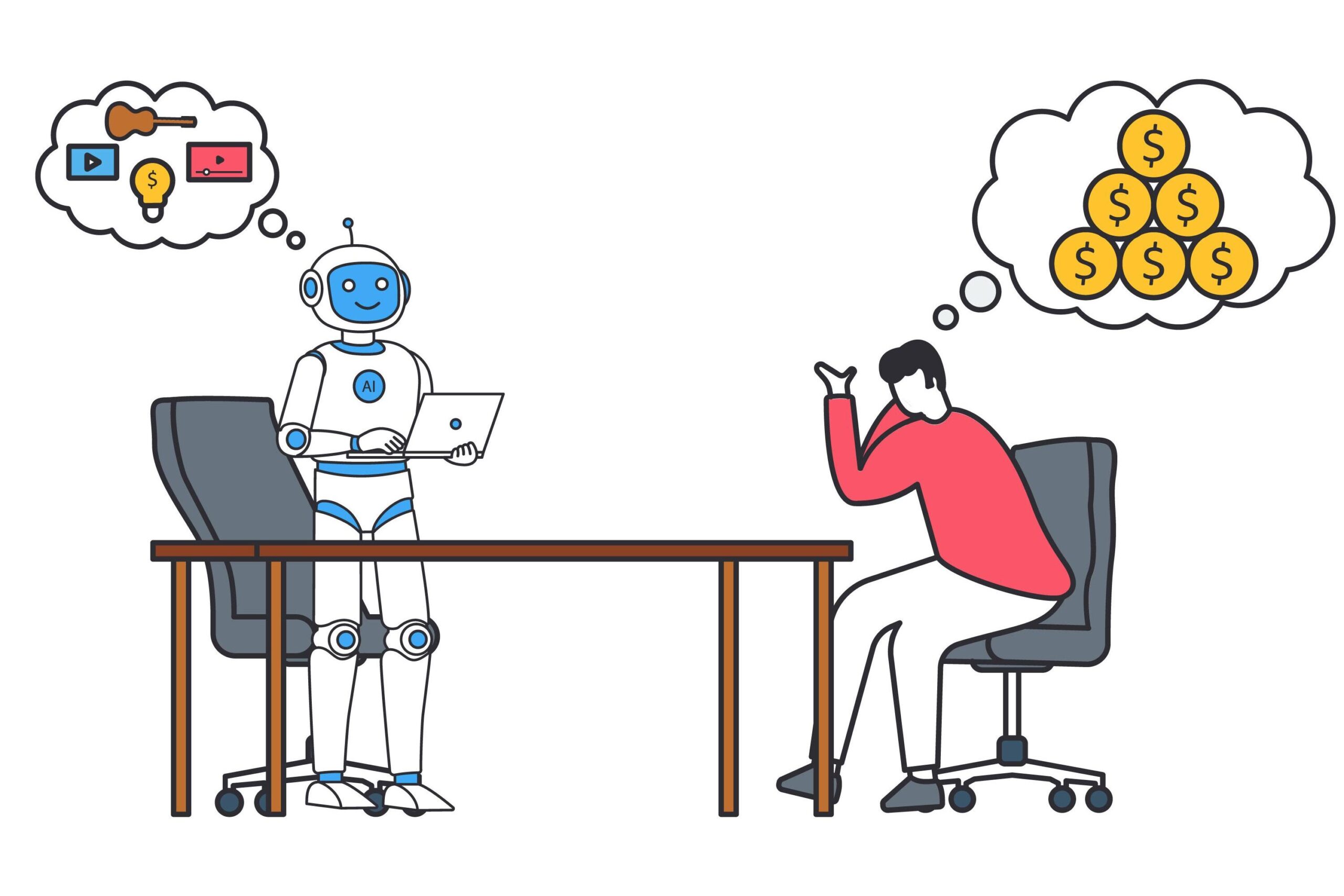
For complete beginners, freelance AI writing and selling AI-generated digital products offer the fastest path to first income with the lowest barrier to entry.
9 Proven Ways to Make Money with AI in 2026 (Real Methods)
The global AI market is expected to exceed $800 billion by 2030, according to Grand View Research, and individuals — not just companies — are capturing a growing share of that value.
1. Freelance AI-Assisted Writing
What it is: Businesses, brands, and publications need a constant supply of blog posts, newsletters, product descriptions, email sequences, and website copy. AI writing tools let skilled freelancers produce that content faster and at higher volume than was ever possible before.
How it works: A freelancer using ChatGPT for first drafts and Grammarly for editing can reduce production time on a 1,200-word article from three hours to under one. That means more clients, more output, and more income in the same working week.

Real example: A journalism graduate in Edinburgh started freelancing on Upwork in mid-2024. Using ChatGPT for drafts and Surfer SEO for optimisation, she scaled from £600/month to £3,200/month within eight months — without increasing her working hours.
Tools used: ChatGPT, Grammarly, Jasper, Surfer SEO
Where to find clients: Upwork, Fiverr, ProBlogger Job Board, LinkedIn outreach to marketing managers at SaaS and e-commerce companies.
2. Selling AI-Generated Digital Products
What it is: Digital products — ebooks, Notion templates, prompt packs, printables, study guides — can be created once with AI assistance and sold indefinitely. No inventory. No shipping. Pure margin.
How it works: Use ChatGPT to write the content and Canva to design it. Upload to Gumroad, Etsy, or Payhip and drive traffic through Pinterest, Reddit, or a single newsletter.
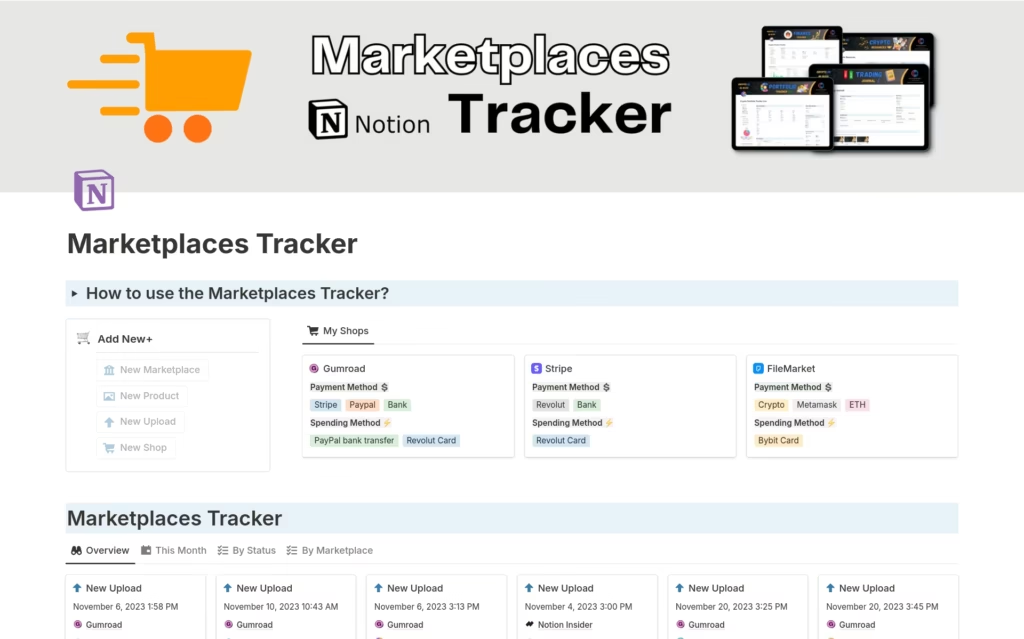
Real example: A marketing student in Toronto spent one weekend creating a pack of 60 ChatGPT prompts for small business owners and priced it at $19 on Gumroad. One post in a relevant subreddit drove 200 sales in its first month — $3,800 from a weekend’s work.
What sells well in 2026:
- ChatGPT and Midjourney prompt libraries
- Notion planning and productivity templates
- AI-generated niche ebooks (fitness, finance, parenting)
- Resume and cover letter template packs
Tools used: ChatGPT, Canva, Gumroad, Payhip, Etsy
3. AI-Powered Niche Blogging
What it is: A niche blog that ranks on Google generates revenue passively through advertising, affiliate links, and sponsored content. AI tools make building one significantly faster and cheaper than it was three years ago.
How it works: Choose a focused, low-competition niche — AI tools for teachers, home automation, budget travel for students. Use Writesonic or ChatGPT to produce optimised articles consistently, and Surfer SEO to structure them for ranking.

Real example: A part-time barista in Melbourne built a niche blog about AI tools for small businesses. Publishing two AI-assisted articles per week, he reached $1,100/month in affiliate commissions within 14 months — with no paid advertising.
Realistic timeline: $500–$2,000/month within 12–18 months for a well-executed niche blog with consistent publishing.
Tools used: ChatGPT, Writesonic, Surfer SEO, WordPress, Google AdSense
For the tools that work best for blog monetisation, see our guide to the best AI tools for blogging and content creation in 2026.
4. Selling AI Automation Services
What it is: Small and medium businesses are still performing manually what AI can automate in minutes — email responses, customer enquiry sorting, invoice generation, social media scheduling. They need someone to build those systems. That someone does not need to be a developer.
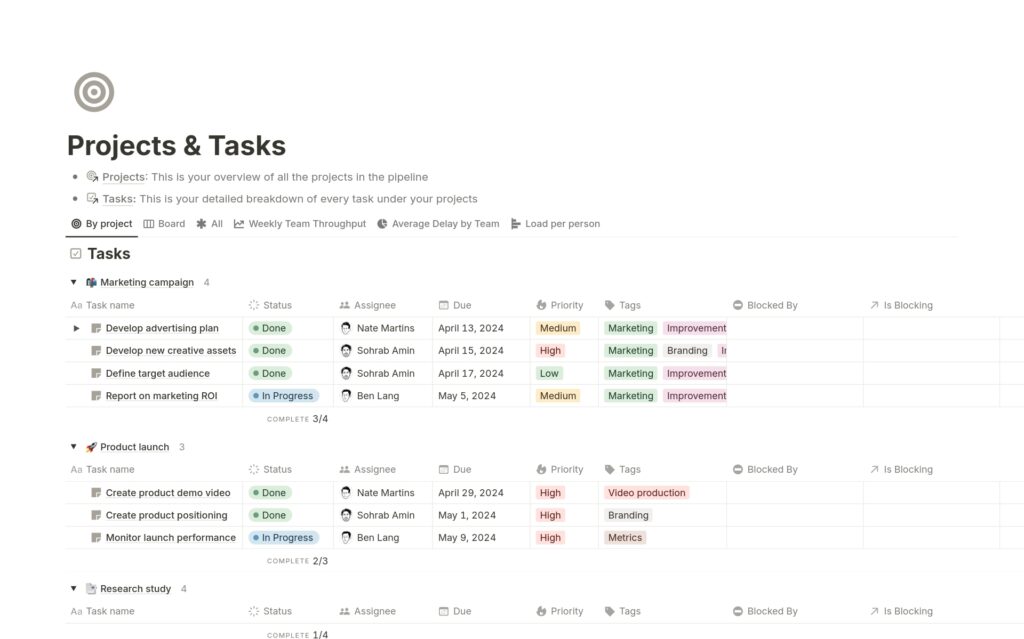
How it works: Tools like Make and Zapier let you build automations through visual drag-and-drop interfaces. Learn the basics over two to three weeks, then offer setup services to local businesses at $300–$1,500 per project plus an optional monthly retainer.
Real example: A 25-year-old in Dublin with no coding experience learned Make in three weeks via YouTube. He now charges local hospitality and retail businesses €400–€600 per automation setup and earns €3,100/month working 25 hours a week.
Most demanded automations:
- Automated email response and lead follow-up
- AI customer service chatbots using Tidio
- Social media scheduling and content drafting pipelines
- Invoice and booking confirmation workflows
Tools used: Make, Zapier, Tidio, ChatGPT API
5. YouTube Channel Automation
What it is: AI tools now handle the most time-consuming parts of YouTube content creation — scripting, voiceovers, editing, thumbnails — making it possible to build a channel without ever appearing on camera.
How it works: Use ChatGPT for scripts, ElevenLabs for AI voiceovers, Pictory or CapCut for editing, and Canva for thumbnails. Channels in personal finance, tech explainers, and AI tool reviews perform well in this format.
Real example: A history student in São Paulo launched an AI-narrated channel covering personal finance basics in Portuguese. Twelve months later, with 23,000 subscribers, the channel generates R$4,200/month through AdSense and affiliate links — entirely produced without his face or voice.
Revenue streams: YouTube AdSense, affiliate links in video descriptions, sponsored mentions after reaching audience size.
Tools used: ChatGPT, ElevenLabs, Pictory, Canva, CapCut
6. AI Consulting for Small Businesses
What it is: Businesses that have invested in AI tools often do not know how to use them effectively. They pay consultants to show them how — through workshops, workflow design, team training, and ongoing advisory work.

How it works: Prompt engineering, workflow design using Make or Zapier, and a solid understanding of two or three AI platforms are enough to start offering paid consulting. Rates range from $75 to $300+ per hour depending on your specialisation and the size of the client.
Real example: A former HR manager in Toronto began offering AI adoption workshops to mid-sized companies in early 2025. Charging $1,200 per half-day session, she now runs two sessions per week alongside a $500/month retainer with three ongoing clients.
What to learn first: Advanced ChatGPT prompting, AI workflow automation with Make or Zapier, and the AI tools most used in your target client’s industry.
Tools used: ChatGPT, Notion, Make, Zapier
7. Selling AI-Generated Art and Visual Products
What it is: AI image generators produce professional-quality visuals in seconds from text descriptions. These images can be sold as stock photography, used in print-on-demand products, or licensed for commercial use.

How it works: Generate images using Midjourney or Adobe Firefly, then sell them through Redbubble, Printful (for print-on-demand), Adobe Stock, or Shutterstock. Seasonal designs, niche illustrations, and abstract digital art for home decoration perform especially well.
Important: Always verify the commercial licensing terms of the AI tool you use before selling generated images. Most permit commercial use, but terms vary.
Tools used: Midjourney, Adobe Firefly, Canva, Redbubble, Printful
8. Building and Selling Simple AI-Powered Tools
What it is: Small, useful web applications — a niche chatbot, a CV reviewer, a budget calculator with AI insights — can be built without traditional coding skills and monetised through subscriptions or one-time sales.

How it works: Use Bubble (a no-code platform) to build the interface and the ChatGPT API to add AI functionality. Sell access through a Gumroad product page or a simple Stripe-powered landing page.
Real example: A biology student in Berlin built a tool that converts uploaded lecture notes into revision flashcards automatically using the ChatGPT API. She launched it on Bubble in six weeks and reached 420 paying subscribers at €8/month within her first year.
Tools used: Bubble, ChatGPT API, GitHub Copilot, Stripe, Gumroad
9. AI-Powered Social Media Management
What it is: Businesses need consistent, high-quality social media presence — but creating content for multiple platforms daily is expensive and exhausting. AI tools make it possible for one person to manage multiple client accounts at a quality level that previously required a team.
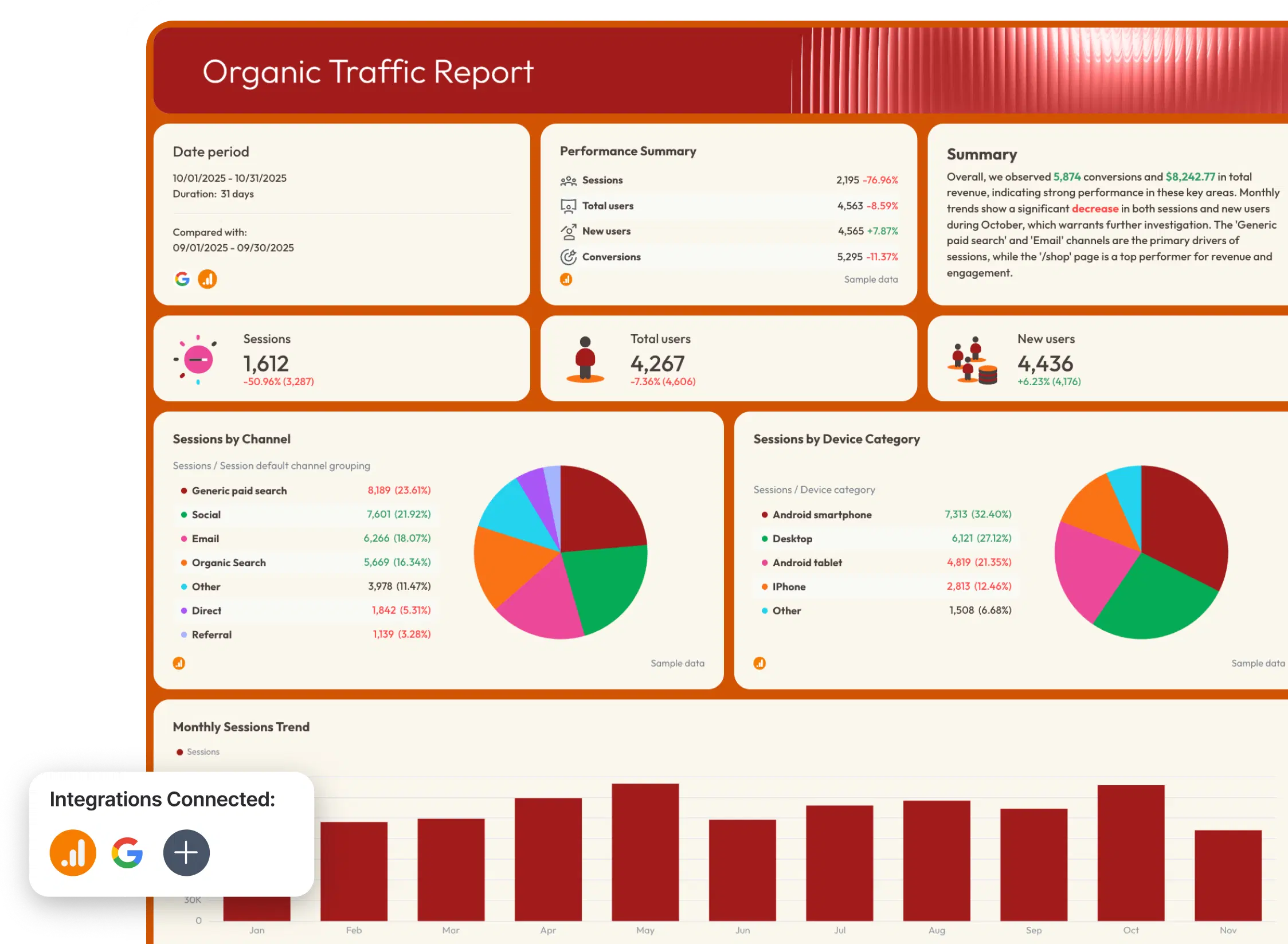
How it works: Use ChatGPT to draft captions and content ideas, Canva to design graphics, and Buffer or Later to schedule and automate posting. Charge clients $500–$1,500/month per account depending on platform count and posting frequency.
Scalability: With AI handling the creative and scheduling work, one person can comfortably manage six to eight client accounts — income that was previously possible only with a full agency team.
Tools used: ChatGPT, Canva, Buffer, Later, Grammarly
Which AI Method is Best for Beginners?
If you are starting from zero, the two lowest-barrier methods with the fastest path to first income are:
1. Freelance AI-assisted writing. You do not need a portfolio to start — a few strong sample articles and a clear Upwork or Fiverr profile are enough. Clients in high-demand niches like SaaS, finance, and health hire writers daily. Your first paid project is achievable within one to two weeks of active outreach.
2. Selling digital products. One well-designed prompt pack or Notion template can earn money while you sleep. The upfront investment is a weekend of effort. The return is indefinite.
Both require effort and iteration. Neither requires technical skills or capital. Start with the one that feels closest to skills you already have.
Looking to set yourself up for maximum productivity before you start? Check out our guide to the best AI tools for productivity in 2026 — it covers the tools that will help you work faster across every method on this list.
If you’re a student exploring AI income alongside your studies, our best AI tools for students guide is worth reading too.
Conclusion: The Window Is Open — But Not Forever
The people who are going to look back on 2026 as the year that changed their financial situation are the ones who act now, not the ones who bookmark this article and come back to it in six months.
Here is your action plan for the next seven days:
- Choose one method from this list — the one that aligns most naturally with a skill or interest you already have
- Sign up for the free tier of the primary tool you need (ChatGPT, Canva, and Writesonic all have generous free plans)
- Produce one piece of work this week — one article, one digital product draft, one automation proposal
- Put it in front of one potential buyer — publish it, pitch it, or list it somewhere
- Collect feedback and improve — your second attempt will be meaningfully better than your first
You do not need to be the most skilled person in the room. You need to be the most consistent. The AI tools available in 2026 have levelled the playing field — what you do with that advantage is entirely up to you.
Frequently Asked Questions
Can complete beginners make money with AI?
Yes, and several methods on this list are specifically suited to beginners with no technical background. Freelance AI writing, selling digital products, and AI-powered social media management all require basic computer literacy and the willingness to learn a few tools — most of which are free to start. The learning curve is real but short.
How much money can I realistically earn?
Earnings vary significantly by method, effort, and consistency. Freelance AI writers commonly earn $1,500–$5,000/month at intermediate experience levels. Digital product sellers range from $200 to several thousand monthly depending on niche and marketing. AI automation consultants charge $75–$300/hour. These are realistic outcomes for people applying consistent effort — not passive income that requires no work.

What is the fastest method to start earning?
Freelance AI writing is typically the fastest path to first income. Platforms like Fiverr and Upwork have constant, live demand. With a clear profile and two or three strong writing samples, a first paid project is achievable within days of active outreach. Selling digital products is slightly slower to ramp up but generates more passive income once established.
Do I need technical skills to get started?
For most methods, no. Writing, social media management, digital products, and consulting require no coding or technical background — only a willingness to learn the tools. Building AI apps or automation systems has a slightly steeper learning curve, but platforms like Bubble and Make are designed specifically for non-developers. Most people learn enough to start within two to three weeks.
Is making money with AI sustainable long-term?
Methods grounded in genuine skill development — consulting, content strategy, automation services — are the most durable because they combine AI capability with human judgment that clients continue to value as the technology evolves. Purely mechanical approaches face increasing competition. The most sustainable income model is using AI to amplify real expertise, not to substitute for it.
Published on AI Arena — reviewing and comparing AI tools for productivity, income, and content creation. Updated March 2026.